Navigating Reward Ecosystems: How Payment Flexibility Enhances Engagement Across Virtual Tables and Wagering Lines
Parker Russell · Sep 17, 2026
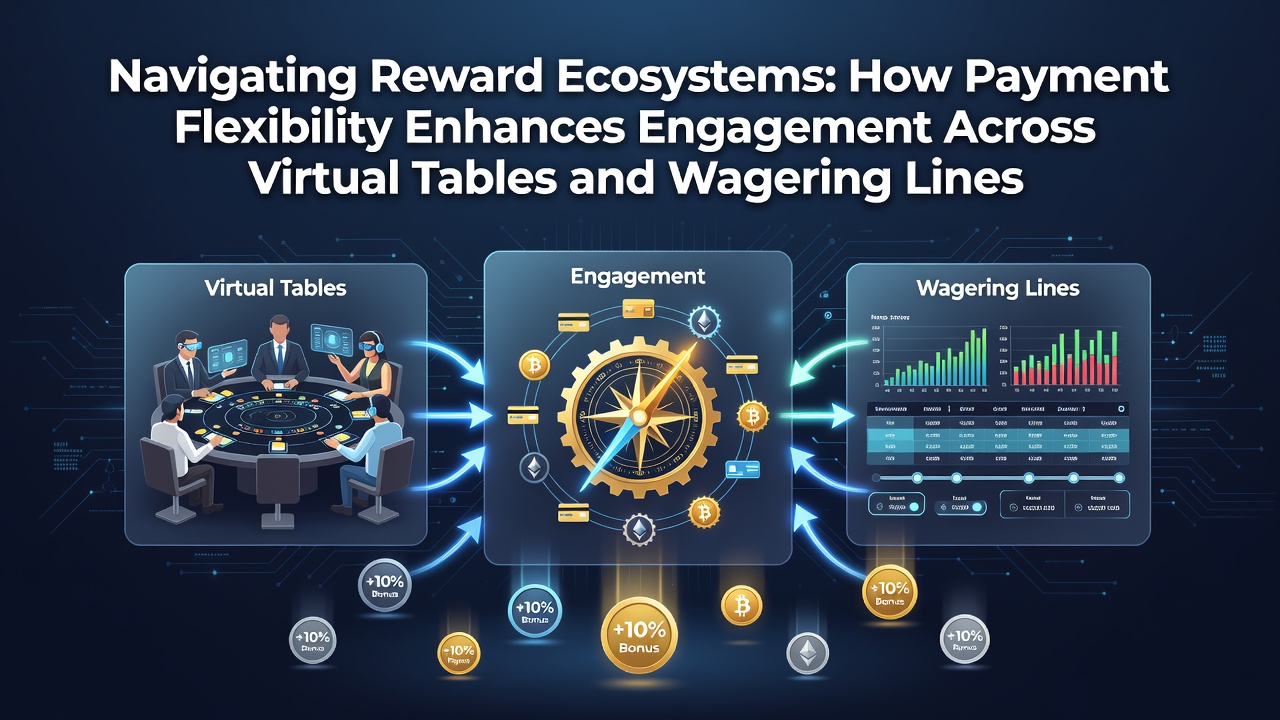
Navigating Reward Ecosystems: How Payment Flexibility Enhances Engagement Across Virtual Tables and Wagering Lines
Payment flexibility has become a central driver in how reward ecosystems function within online gambling platforms, where seamless transactions support sustained participation in slots, live dealer games, and sports wagering lines. Operators structure these ecosystems around tiered loyalty programs that reward consistent activity, yet the underlying payment infrastructure determines how quickly players access bonuses, convert winnings, and maintain momentum across different game types.
Core Components of Modern Reward Ecosystems
Reward ecosystems integrate deposit bonuses, cashback mechanisms, and progressive VIP levels that unlock exclusive table limits or enhanced odds on sports markets, while payment methods serve as the connective tissue that keeps these layers operational. Platforms that accept multiple channels, including bank transfers, digital wallets, and instant card options, reduce the time between a player's decision to wager and the actual placement of bets on virtual tables or live sports events. Data from industry analyses show that sites offering instant processing see higher repeat engagement rates compared with those limited to slower traditional banking routes.
September 2026 marked a noticeable shift in how several international operators updated their payment stacks to align with emerging standards in cross-border transactions, which in turn influenced the speed at which reward points accumulated for players across regions. Those who studied these updates noted that platforms incorporating real-time verification tools experienced fewer abandoned sessions during the deposit phase, allowing users to move directly into live blackjack or roulette sessions without interruption.
Payment Options and Their Direct Effects on Engagement
Flexible payment systems allow players to choose methods that match their preferred risk tolerance and speed requirements, whether funding a quick series of slot spins or placing larger wagers on major league matches. Research indicates that when withdrawal times drop below 24 hours through supported e-wallet or cryptocurrency routes, overall session length increases because participants feel more confident reinvesting portions of their returns. Observers note that this cycle strengthens loyalty program progression, as frequent deposits and withdrawals feed directly into point accrual systems that unlock higher tiers.
Virtual Tables and Live Dealer Environments
Live dealer platforms benefit particularly from payment flexibility because table games often involve rapid sequences of decisions that reward immediate re-buy options. Players who can top up balances instantly during a blackjack shoe or roulette spin maintain higher engagement levels than those forced to pause for processing delays. According to findings published by the American Gaming Association, integrated payment solutions correlate with measurable increases in table game retention when users access multiple funding methods without leaving the game interface.
One study revealed that sites combining instant deposits with automated reward triggers saw players advance through VIP levels faster, unlocking perks such as dedicated dealer tables or priority bonus releases. This pattern holds across both desktop and mobile environments, where frictionless payments keep participants inside the ecosystem rather than seeking alternatives.
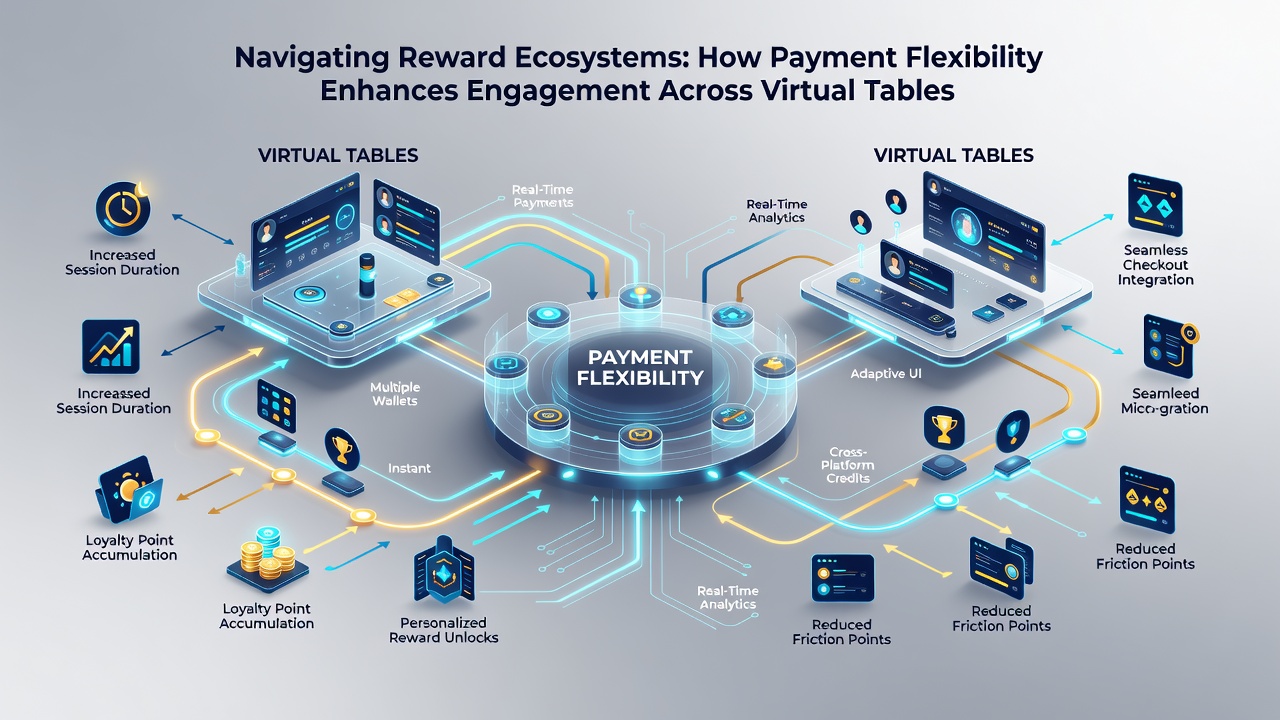
Sports Wagering Lines and Real-Time Transaction Demands
Sports betting markets require payment systems that handle both pre-match and in-play deposits with equal efficiency, since odds shift quickly and opportunities appear in narrow windows. Platforms that support multiple currencies and instant settlement options enable users to move between soccer lines, tennis markets, and casino side games without balance interruptions. Figures from regulatory reports in Canada demonstrate that flexible funding methods contribute to higher volumes of micro-bets, as players can adjust stakes rapidly while reward multipliers apply across combined casino and sports activity.
Those who've examined transaction logs find that accounts with access to varied payment rails show stronger progression through layered reward structures, where sports-specific bonuses stack alongside table game cashback. The result appears in extended platform usage, with data indicating fewer dormant periods between sessions when deposits clear immediately.
Integration Challenges and Industry Responses
Operators face ongoing requirements to balance security protocols with speed, yet many have adopted layered verification that activates only for larger sums while keeping smaller transactions fluid. This approach preserves the flow of reward accumulation across virtual tables and wagering lines. Industry reports highlight that platforms investing in these balanced systems report steadier user retention, particularly during peak periods such as major sporting events or seasonal casino promotions.
Payment flexibility also intersects with responsible play tools, where instant deposit limits and self-exclusion features operate alongside reward tracking. Regulators in Australia have documented how clear payment disclosures help users maintain control while still participating in loyalty programs, creating an environment where engagement metrics remain stable over time.
Conclusion
The connection between payment flexibility and reward ecosystem performance rests on measurable factors including transaction speed, method variety, and integration depth with game interfaces. Platforms that prioritize these elements enable smoother progression through loyalty tiers while supporting continuous activity across slots, live dealer tables, and sports betting markets. Continued evolution in payment technology will likely shape how these ecosystems expand, with data from multiple jurisdictions providing ongoing insight into participation patterns.